
Cybersecurity Advances
Key Takeaways
- The importance of proactive cybersecurity measures.
- Recent advancements in AI and machine learning for threat detection.
- Emerging trends in encryption technologies.
- Best practices for businesses to enhance cybersecurity.
- Understanding the impact of the Internet of Things (IoT) on security.
In our increasingly digital world, staying informed about the latest advancements in cybersecurity tools and practices is crucial. From AI-driven threat detection to innovative encryption techniques, the landscape of cybersecurity is constantly evolving. In this article, we will explore the latest trends and technologies shaping the cybersecurity landscape.
Introduction to Cybersecurity
Cybersecurity refers to the practice of protecting systems, networks, and programs from digital attacks. These cyberattacks are usually aimed at accessing, altering, or destroying sensitive information, and can lead to severe consequences for individuals and organizations alike. As technology evolves, so do the methods used by cybercriminals, making it imperative to stay updated on the latest cybersecurity advances.
Recent Advancements in Cybersecurity Tools
AI and Machine Learning
Artificial Intelligence (AI) and machine learning have revolutionized the way organizations approach cybersecurity. These technologies help in analyzing large volumes of data to detect anomalies and predict potential threats.

Encryption Technologies
Encryption remains a foundational element of cybersecurity. Recent advancements have led to more robust encryption methods that protect data both in transit and at rest. Key developments include:
| Encryption Method | Description | Use Case |
|---|---|---|
| End-to-End Encryption | Data is encrypted on the sender's device and only decrypted on the receiver's device. | Messaging apps, email services. |
| Quantum Encryption | Uses principles of quantum mechanics to secure data. | Highly sensitive information sharing. |
| Homomorphic Encryption | Allows computation on encrypted data without decrypting it. | Cloud computing services. |
Best Practices for Enhanced Cybersecurity
Implementing best practices is essential for businesses to bolster their cybersecurity posture. Here are some recommended strategies:
- Regularly update software and security systems.
- Conduct employee training on cybersecurity awareness.
- Use multi-factor authentication (MFA) wherever possible.
- Implement a robust incident response plan.
- Regularly back up data to prevent loss during an attack.
The Role of the Internet of Things (IoT) in Cybersecurity
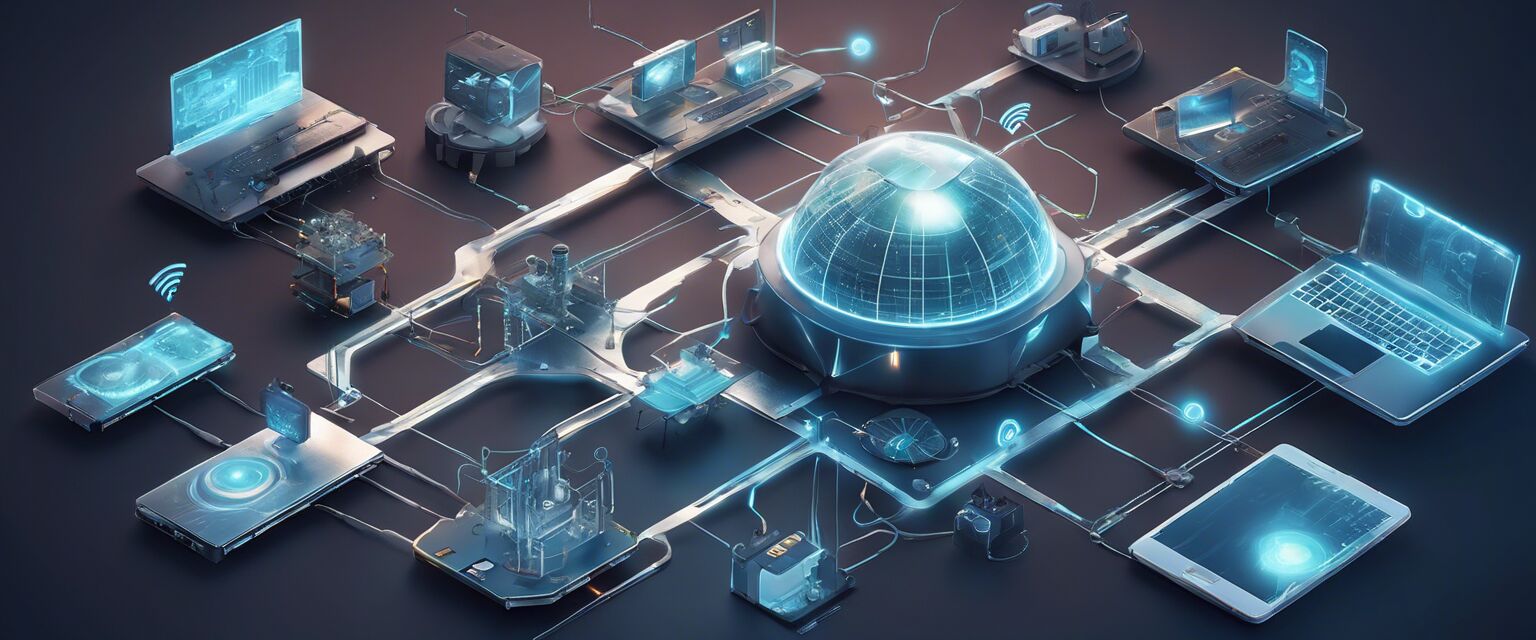
The proliferation of IoT devices has introduced new vulnerabilities into the cybersecurity landscape. As more devices connect to the internet, ensuring their security becomes more challenging. Some key points include:
- Increased attack surfaces due to numerous connected devices.
- Need for IoT-specific security solutions.
- Importance of securing device communication protocols.
Emerging Threats and Solutions
Staying ahead of emerging threats is crucial for effective cybersecurity. Some of the latest threats include:
| Threat | Description | Possible Solutions |
|---|---|---|
| Ransomware | Malware that encrypts files and demands payment for decryption. | Regular backups, employee training. |
| Phishing Attacks | Fraudulent attempts to obtain sensitive information. | Email filtering, user education. |
| Distributed Denial of Service (DDoS) | An attack that overwhelms a system with traffic. | Traffic analysis, cloud-based DDoS protection. |
Conclusion
As technology continues to advance, so does the need for effective cybersecurity measures. By staying informed and adopting best practices, individuals and organizations can better protect themselves from the ever-evolving cyber threat landscape.
Tips for Beginners in Cybersecurity
- Start with strong passwords and change them regularly.
- Enable multi-factor authentication on all accounts.
- Keep your software updated to protect against vulnerabilities.
- Be cautious about sharing personal information online.
- Educate yourself about common cybersecurity threats.
Pros
- Enhanced protection against cyber threats.
- Increased awareness and training leads to better security practices.
- AI-driven tools can quickly identify and mitigate threats.
Cons
- Rapid changes in technology can make it hard to keep up.
- Not all organizations have the resources to implement advanced solutions.
- Increased reliance on technology can lead to vulnerabilities.
For more information on related topics, check out our pages on AI gadgets, cloud computing solutions, IoT devices, next-gen laptops and PCs, and virtual reality devices.